

Understanding Kidney Cancer
A comprehensive guide to kidney cancer, including its types, warning signs, risk factors, diagnosis, modern treatment options, support and important awareness information.
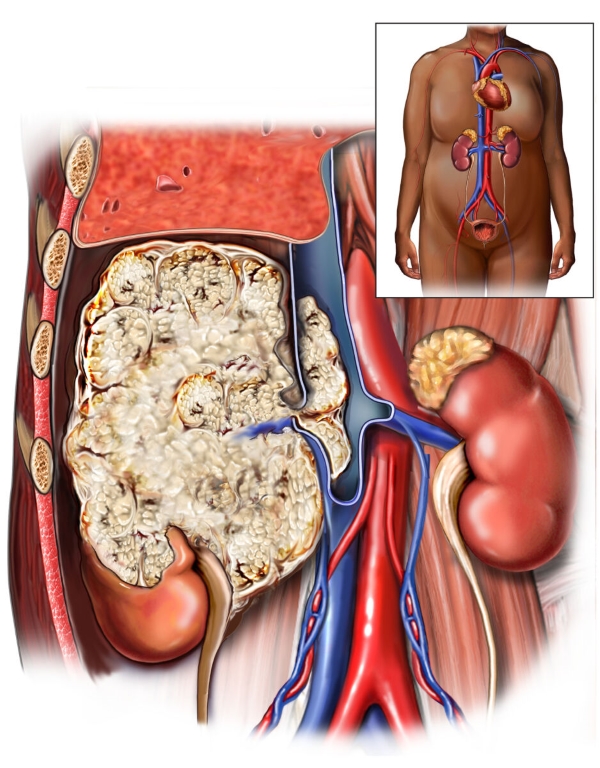
What is Kidney Cancer?
Kidney cancer is a disease in which abnormal cells in the kidney grow and divide uncontrollably. The most common form of kidney cancer in adults is renal cell carcinoma (RCC).
The kidneys are important organs that filter waste and excess fluid from the blood and help produce urine. Kidney cancer often begins as a small mass within the kidney and may grow over time.
Early kidney cancer may not cause noticeable symptoms. Imaging performed for another reason can sometimes identify a kidney tumor unexpectedly. When kidney cancer is suspected, appropriate evaluation helps determine its type and extent.
Common Types of Kidney Cancer
Kidney tumors include several different types. Their biological characteristics, behavior and treatment approaches can vary.
Renal Cell Carcinoma
Renal cell carcinoma is the most common kidney cancer in adults. It begins in cells of the kidney and includes several different subtypes.
Urothelial Carcinoma
Urothelial carcinoma can develop in the renal pelvis, the part of the urinary tract where urine collects before moving into the ureter.
Wilms Tumor
Wilms tumor is a kidney cancer that occurs primarily in children and is different from the kidney cancers most commonly diagnosed in adults.
Renal Sarcoma
Renal sarcoma is a rare type of kidney tumor that develops from connective or supporting tissues of the kidney.
Causes & Risk Factors
The exact cause of kidney cancer is not always known. Several factors are associated with an increased risk of developing kidney cancer.
Smoking
Tobacco smoking is associated with an increased risk of kidney cancer. Stopping smoking can provide important benefits for overall health.
Obesity
Being overweight or obese is associated with a higher risk of developing kidney cancer.
High Blood Pressure
Hypertension has been associated with an increased risk of kidney cancer. Proper blood pressure management is important for kidney and cardiovascular health.
Family History
A family history of kidney cancer can increase risk, particularly in families affected by certain inherited cancer syndromes.
Gender
Kidney cancer occurs more frequently in men than women, although it can affect people of any sex.
Occupational Exposure
Some occupational exposures to certain chemicals may be associated with an increased risk of kidney cancer.
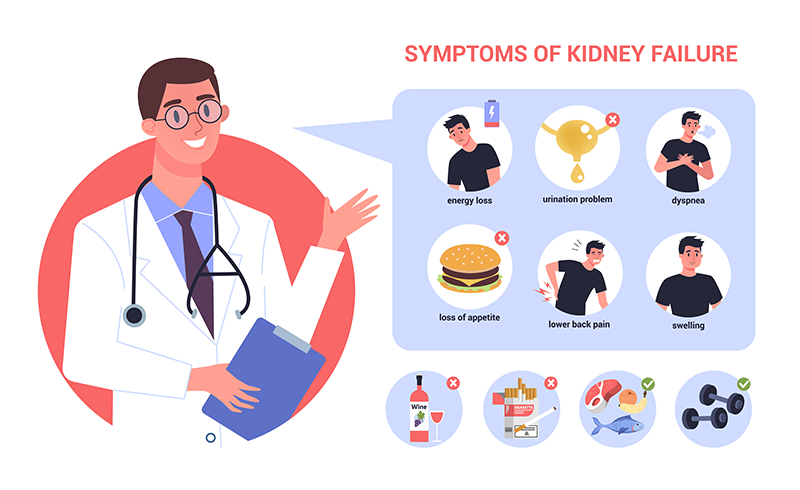
Common Warning Signs
Early kidney cancer may produce no obvious symptoms. When symptoms occur, they may resemble other urinary or general health conditions and therefore require appropriate medical assessment.
Blood in Urine
Blood in the urine, also known as hematuria, can make urine appear pink, red or darker than usual and should be medically evaluated.
Persistent Side or Back Pain
Ongoing pain or discomfort in the side or lower back may occur and should be assessed if persistent.
Abdominal Lump or Mass
In some cases, a mass or fullness may be noticed in the abdomen or side.
Unintentional Weight Loss
Unexplained weight loss can occur with some cancers and should be evaluated when it is persistent.
Fatigue or Weakness
Ongoing fatigue, weakness or anemia may occur in some people with kidney cancer.
Diagnosis & Evaluation
Kidney cancer evaluation may involve imaging, laboratory testing and, in selected cases, tissue sampling. The tests required depend on the individual situation.
CT Scan
CT imaging can provide detailed pictures of the kidneys and surrounding structures and help evaluate a suspected kidney mass.
MRI
MRI uses magnetic fields and radio waves to create detailed images and may be useful when additional characterization of a kidney lesion is needed.
Biopsy
A biopsy removes a small tissue sample for laboratory examination. Whether a biopsy is needed depends on the clinical and imaging findings.
Blood & Urine Tests
Laboratory tests can assess kidney function, blood counts and general health and may help guide treatment planning.
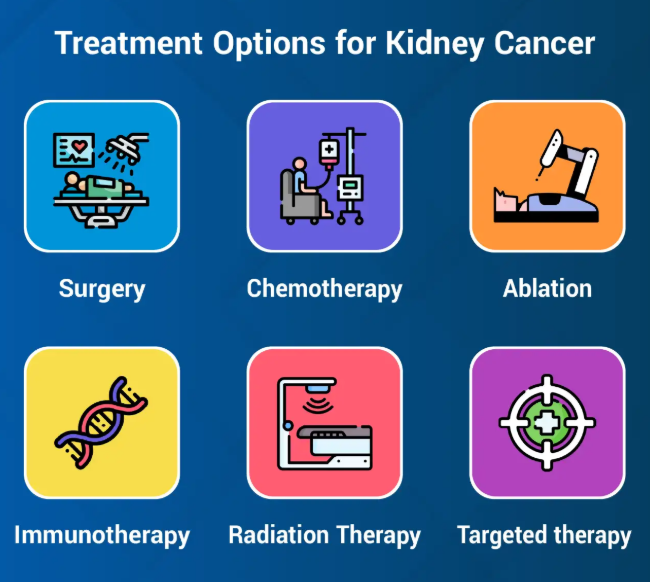
Treatment Options
Treatment depends on the type and stage of kidney cancer, the location and size of the tumor, whether the disease has spread and the person's overall health and preferences.
You Don't Have to Navigate It Alone
A kidney cancer diagnosis can be emotionally and physically challenging. Healthcare professionals, family members, caregivers, support groups and other resources can provide guidance throughout diagnosis, treatment and follow-up care.
Important Awareness Points
Understanding risk factors, recognizing warning signs and seeking appropriate medical evaluation can support informed decisions about kidney health.
Know the Warning Signs
Blood in urine, persistent side or back pain, unexplained weight loss and ongoing fatigue should be evaluated when persistent or concerning.
Understand Your Risk
Smoking, obesity, high blood pressure, family history and certain occupational exposures can be associated with increased kidney cancer risk.
Seek Medical Evaluation
Concerning urinary or abdominal symptoms should not be ignored. A healthcare professional can determine whether further testing is appropriate.
Follow Your Care Plan
Kidney cancer treatment is individualized. Discuss available options, expected benefits, potential risks and follow-up care with your healthcare team.
Medical Information Disclaimer
This page is intended for general educational and awareness purposes only. It should not replace professional medical advice, diagnosis or treatment. Individuals should consult a qualified healthcare professional regarding symptoms, diagnosis, treatment and follow-up decisions. Treatment options vary according to cancer type, stage, tumor characteristics, overall health and other individual factors. Medical decisions should be made in consultation with an appropriately qualified healthcare team.