

Understanding Cancer Screening
Cancer screening helps identify certain cancers or precancerous changes before symptoms appear. Appropriate screening depends on age, health history, and personal risk factors.


What is Cancer Screening?
Cancer screening is a preventive healthcare approach that looks for certain cancers before symptoms appear. The purpose is to detect abnormalities at an earlier stage when further evaluation and treatment may be more effective.
Screening is different from diagnostic testing. Diagnostic tests are performed when symptoms or concerning findings already exist, while screening is generally intended for people without symptoms who meet appropriate eligibility criteria.
Common Cancer Screening Types
Different cancers require different screening methods. The appropriate test depends on individual eligibility and medical guidance.
Mammography
Low-dose breast imaging used to identify abnormalities that may require further evaluation.
Pap & HPV Screening
Cervical screening methods used to detect abnormal cervical changes and high-risk HPV infection.
Colonoscopy
Examines the colon and rectum to detect colorectal cancer and precancerous polyps.
PSA Testing
A blood test that may help assess prostate cancer risk in selected individuals after medical discussion.
Low-Dose CT Scan
Used for lung cancer screening among eligible people with significant smoking history.
Skin Examination
Regular dermatological examination can help identify suspicious skin changes requiring evaluation.
Genetic Testing
May help identify inherited cancer risk and guide personalized prevention and screening strategies.
Factors That Influence Screening Decisions
Age
Many screening recommendations are based partly on age and overall health.
Family History
A family history of cancer may influence the type and timing of screening.
Inherited Risk
Genetic factors may increase susceptibility to certain cancers in selected families.
Smoking History
Long-term tobacco exposure is an important consideration for lung screening eligibility.
Previous Conditions
Previous cancers or precancerous findings may affect future surveillance planning.
Environmental Exposure
Sun exposure and certain environmental factors may contribute to cancer risk assessment.
Benefits of Cancer Screening
Early Detection
Screening can identify certain cancers before symptoms develop.
Personalized Healthcare
Screening recommendations can be tailored according to individual risk.
Precancer Detection
Some screening methods can identify precancerous changes before cancer develops.
Improved Monitoring
Regular preventive healthcare supports ongoing health awareness and follow-up.
Understanding Screening Methods

Breast Screening
Mammography uses specialized X-ray imaging to examine breast tissue.
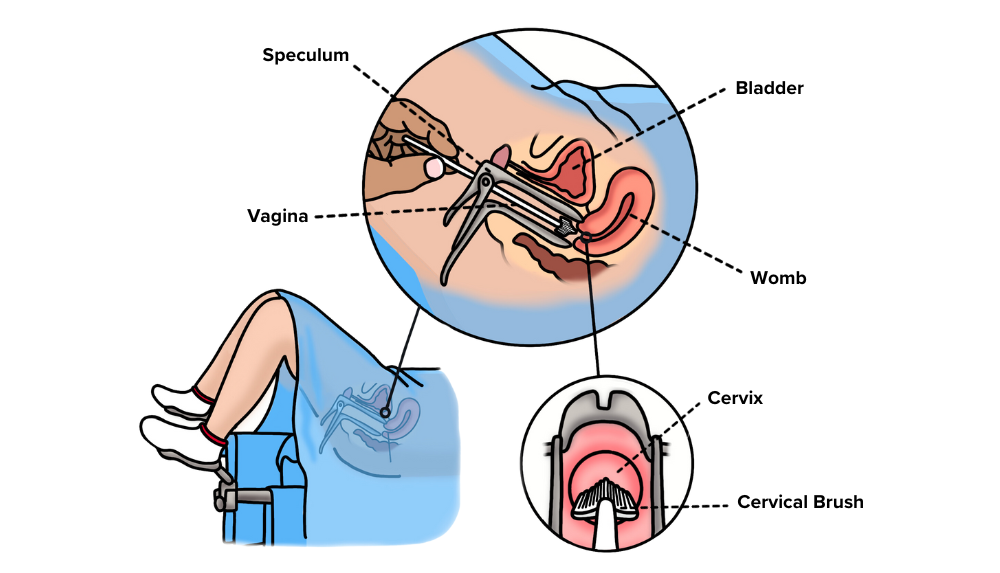
Cervical Screening
Pap and HPV testing are important methods used for cervical cancer screening.

Colorectal Screening
Colonoscopy allows doctors to inspect the colon and identify suspicious findings.

Lung Screening
Low-dose CT imaging may be recommended for selected high-risk individuals.
What Happens After a Screening Test?
A screening result helps guide the next appropriate healthcare decision. Additional evaluation is only recommended when medically appropriate.

Understanding Cancer Screening FAQ
Simple answers to common questions patients often have about preventive cancer screening.
You Don't Have to Navigate It Alone
Understanding screening recommendations and medical results can sometimes feel overwhelming. Healthcare professionals can help explain your individual risk and guide appropriate preventive care.
Medical Information Disclaimer
This page is intended for general educational and awareness purposes only. It should not replace professional medical advice, diagnosis, or treatment. Cancer screening recommendations vary according to individual health factors, family history, inherited risk, previous medical findings, and current clinical guidance. Please consult a qualified healthcare professional regarding symptoms, screening eligibility, diagnostic evaluation, and treatment decisions.