

Understanding Cervical Cancer
A comprehensive guide to cervical cancer awareness, prevention, risk factors, symptoms, early detection, diagnosis, treatment options and support.
What is Cervical Cancer?
Cervical cancer is a cancer that begins in the cervix, which is the lower part of the uterus that connects to the vagina.
Most cervical cancers are associated with persistent infection with high-risk types of human papillomavirus (HPV), a very common infection. In many cases, cervical cancer develops gradually through precancerous changes that can be detected and treated before invasive cancer develops.
Prevention, appropriate screening and timely medical evaluation are important parts of cervical cancer control. When cervical cancer is diagnosed, treatment is selected according to factors such as stage, tumor characteristics and the person's overall health.
Common Types of Cervical Cancer
Cervical cancers are commonly classified according to the type of cell where the cancer begins.
Squamous Cell Carcinoma
This type begins in the thin, flat squamous cells that line the outer surface of the cervix. It accounts for most cervical cancers.
Adenocarcinoma
Adenocarcinoma begins in the glandular cells of the cervix. It is another major type of cervical cancer.
Adenosquamous Carcinoma
This less common form contains features of both squamous cell carcinoma and adenocarcinoma.
Other Rare Types
Rare cervical cancers can include neuroendocrine tumors and other uncommon tumor types. Their diagnosis and treatment may differ from more common cervical cancers.
Causes & Risk Factors
Persistent infection with high-risk HPV is the major cause of cervical cancer. Certain factors can increase the likelihood that an HPV infection persists or that cervical precancer progresses.
High-Risk HPV Infection
Persistent infection with certain high-risk HPV types is the primary cause of most cervical cancers.
Smoking
Smoking is associated with an increased risk of cervical cancer and may affect the body's ability to clear HPV.
Weakened Immune System
A weakened immune system can make it more difficult for the body to clear persistent HPV infection.
Limited Screening
Not receiving recommended cervical screening can increase the chance that precancerous changes remain undetected.
Early Sexual Activity
Beginning sexual activity at a younger age can increase the period during which HPV exposure may occur.
Multiple Sexual Partners
Having more sexual partners can increase the likelihood of HPV exposure. HPV can also be transmitted by a single sexual partner.
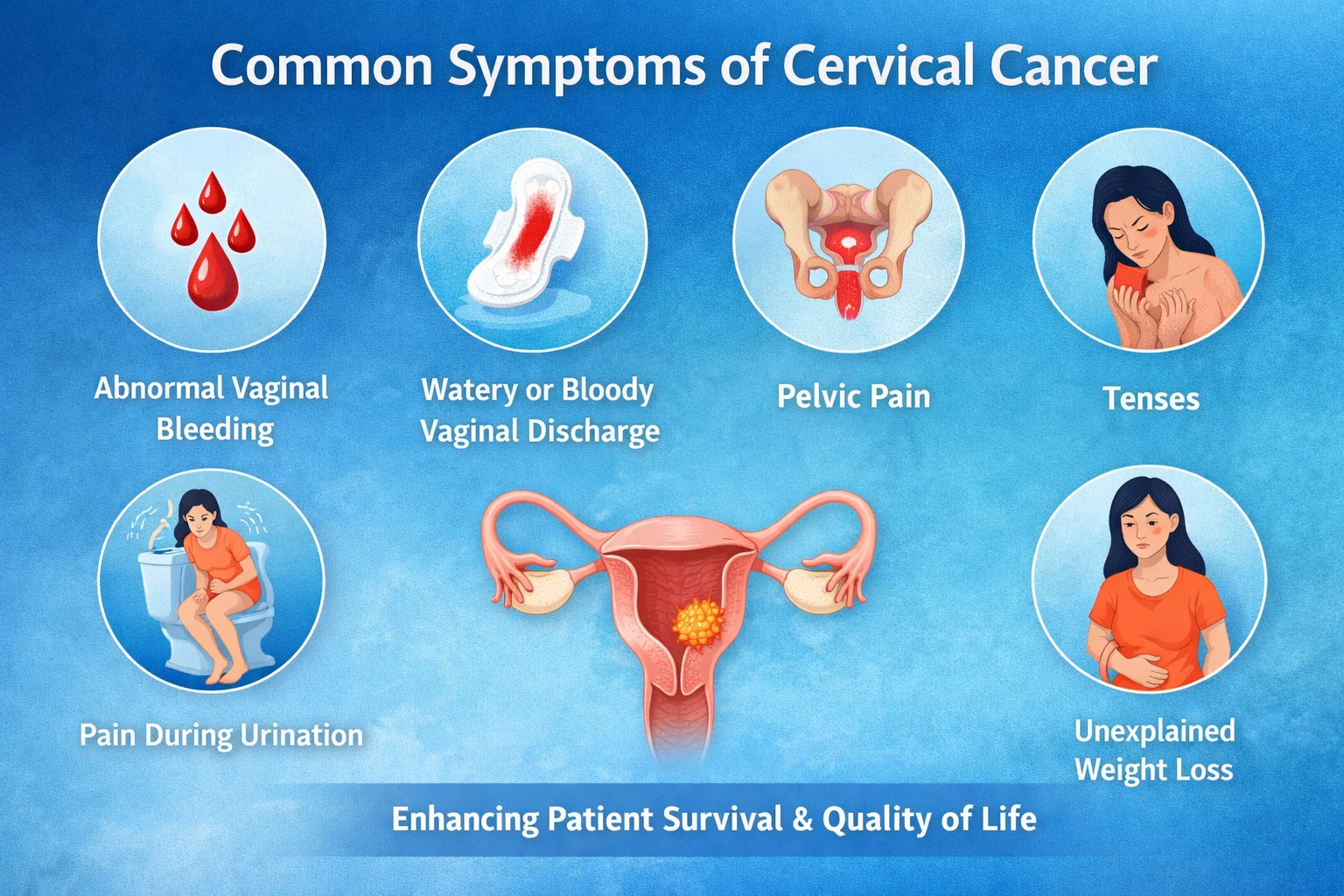
Common Symptoms
Early cervical cancer may cause no symptoms, which is one reason regular screening is important. When symptoms occur, they should be evaluated by a healthcare professional.
Abnormal Vaginal Bleeding
Bleeding between periods, after sexual intercourse, after menopause or heavier-than-usual menstrual bleeding can require evaluation.
Unusual Vaginal Discharge
A change in vaginal discharge, including an unusual amount, appearance or odor, may occur.
Pelvic Pain
Persistent or unexplained pelvic discomfort or pain should be discussed with a healthcare professional.
Pain During Intercourse
Pain or discomfort during sexual activity can have many causes and may warrant medical evaluation if persistent.
Unexplained Changes in Menstrual Pattern
New or persistent changes in bleeding patterns should be assessed rather than self-diagnosed.
Protect Your Cervical Health
Cervical cancer prevention focuses on reducing HPV-related risk and detecting precancerous changes before they develop into invasive cancer.
HPV Vaccination
HPV vaccination helps protect against HPV types that can cause several cancers, including cervical cancer.
Cervical Screening
Pap testing can identify abnormal cervical cells that may need monitoring or treatment.
HPV Testing
HPV testing can identify high-risk HPV infections and may be used alone or with cytology depending on guidelines.
Safer Sexual Practices
Barrier methods can reduce, but do not completely eliminate, the risk of HPV transmission.
Avoid Smoking
Avoiding tobacco and quitting smoking can reduce cervical cancer risk and provide broader health benefits.
Diagnosis & Evaluation
If screening results are abnormal or symptoms raise concern, additional examinations and tests may be recommended to determine whether precancer or cancer is present.
Pap Test
Cervical cells are collected and examined for abnormal changes that may represent precancer or other abnormalities.
HPV Test
Testing can identify high-risk HPV types associated with cervical precancer and cancer.
Colposcopy
A magnifying instrument is used to examine the cervix more closely when screening results require further assessment.
Cervical Biopsy
A small tissue sample may be collected and examined in a laboratory to determine whether abnormal or cancerous cells are present.
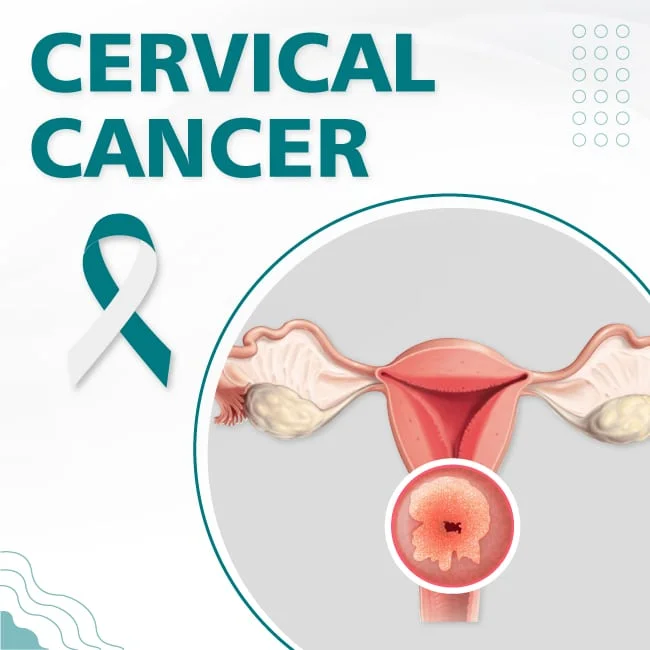
Treatment Options
Treatment depends primarily on the stage and characteristics of cervical cancer, as well as overall health and individual circumstances. A specialist team determines the most appropriate approach.
You Don't Have to Navigate It Alone
Cervical cancer can affect physical health, emotional wellbeing, relationships and everyday life. Healthcare professionals, family members, caregivers and support organizations can provide valuable guidance throughout diagnosis and treatment.
Important Awareness Points
Awareness includes understanding HPV, following appropriate vaccination and screening guidance, recognizing symptoms and seeking professional medical advice when needed.
Consider HPV Vaccination
HPV vaccination can help prevent infection with HPV types associated with cervical cancer. Discuss eligibility and timing with a healthcare professional.
Follow Screening Guidance
Regular cervical screening can identify HPV infection or abnormal cell changes before invasive cervical cancer develops.
Do Not Ignore Symptoms
Unusual vaginal bleeding, discharge or persistent pelvic symptoms should be discussed with a qualified healthcare professional.
Seek Timely Medical Care
Screening abnormalities and concerning symptoms do not automatically mean cancer, but timely evaluation can help identify problems that need treatment.
Medical Information Disclaimer
This page is intended for general educational and awareness purposes only. It should not replace professional medical advice, diagnosis or treatment. Individuals should consult a qualified healthcare professional regarding symptoms, screening, HPV vaccination, diagnosis and treatment decisions. Screening and vaccination recommendations can vary according to age, risk factors, previous results and local healthcare guidelines.