

Understanding Pancreatic Cancer
A comprehensive guide to pancreatic cancer, including its types, risk factors, symptoms, diagnosis, treatment options, support and important awareness points.
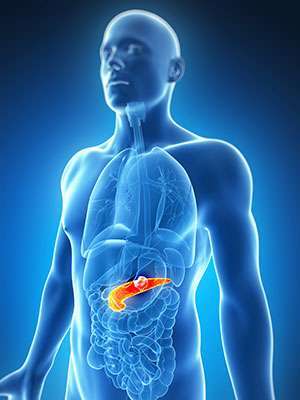
Understanding Pancreatic Cancer
Pancreatic cancer begins in the pancreas, an organ located deep within the abdomen that plays important roles in digestion and blood-sugar regulation.
The pancreas contains different types of cells, and cancers can develop from these different cell types. Pancreatic ductal adenocarcinoma is the most common form of pancreatic cancer.
Because the pancreas is located deep within the abdomen, pancreatic cancer may be difficult to detect early. Symptoms can also overlap with other medical conditions.
Common Types of Pancreatic Cancer
Pancreatic cancers can arise from different cell types. Identifying the type of tumor is important because its behavior, evaluation and treatment may differ.
Pancreatic Adenocarcinoma
The most common pancreatic cancer. It usually develops from cells lining the pancreatic ducts and is also referred to as pancreatic ductal adenocarcinoma.
Pancreatic Neuroendocrine Tumors
These tumors develop from neuroendocrine cells of the pancreas. They are less common than pancreatic adenocarcinoma and can behave differently.
Ampullary Carcinoma
Ampullary carcinoma develops in the ampulla of Vater, the area where the pancreatic and bile ducts open into the small intestine.
Cystic Pancreatic Tumors
Some pancreatic tumors arise within cystic lesions. Their behavior varies, and specialized imaging and clinical evaluation may be needed.
Solid Pseudopapillary Tumor
A rare pancreatic tumor that generally occurs in younger people and can have different biological characteristics from common pancreatic cancers.
Other Rare Pancreatic Tumors
Other uncommon tumors can arise from pancreatic tissues. Their diagnosis and treatment depend on the specific tumor type and individual circumstances.
Causes & Risk Factors
The exact cause of pancreatic cancer is not always known. Several factors may increase the likelihood of developing the disease.
Age
The risk of pancreatic cancer generally increases with age, with many cases occurring in older adults.
Family History
A family history of pancreatic cancer can increase risk, particularly when multiple relatives are affected or an inherited cancer syndrome is present.
Tobacco Use
Cigarette smoking is an established risk factor for pancreatic cancer. Avoiding tobacco can reduce exposure to an important preventable risk.
Obesity
Being overweight or having obesity is associated with an increased risk of pancreatic cancer.
Chronic Pancreatitis
Long-term inflammation of the pancreas can be associated with a higher risk of pancreatic cancer.
Genetic Conditions
Certain inherited genetic conditions and syndromes can increase the risk of pancreatic cancer and may warrant specialized assessment.
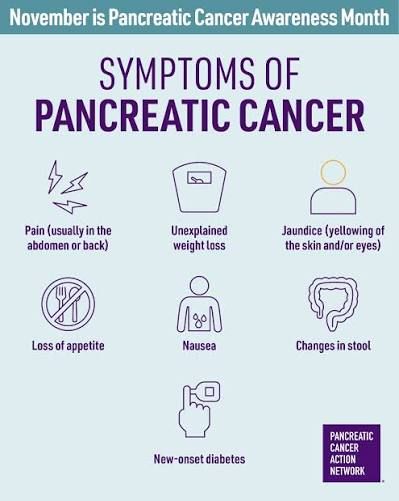
Common Symptoms
Symptoms can vary depending on the location and extent of pancreatic cancer. Some people may have few or no noticeable symptoms in the early stages.
Abdominal or Back Pain
Persistent pain or discomfort in the upper abdomen or back may occur.
Jaundice
Yellowing of the skin or eyes may occur when a tumor blocks the bile duct.
Unexplained Weight Loss
Unintended weight loss may occur and should be evaluated when persistent or unexplained.
Appetite Changes
Reduced appetite or difficulty eating can accompany pancreatic disease.
Digestive Changes
Nausea, vomiting or changes in bowel habits may occur and can have many other causes.
Changes in Blood Sugar
Pancreatic disease can affect insulin production and may sometimes be associated with changes in blood sugar.
Diagnosis & Evaluation
Diagnosing pancreatic cancer may involve several tests. Doctors select investigations according to symptoms, examination findings and the suspected location and extent of disease.
CT Scan
Specialized CT imaging can provide detailed images of the pancreas and surrounding structures and can help assess the extent of disease.
MRI / MRCP
MRI and magnetic resonance cholangiopancreatography can provide detailed images of the pancreas, bile ducts and pancreatic ducts.
Endoscopic Ultrasound
Endoscopic ultrasound uses an endoscope and ultrasound to obtain detailed images and can help guide tissue sampling when appropriate.
Biopsy
A tissue sample may be examined by a pathologist to confirm cancer and identify its specific type and characteristics.
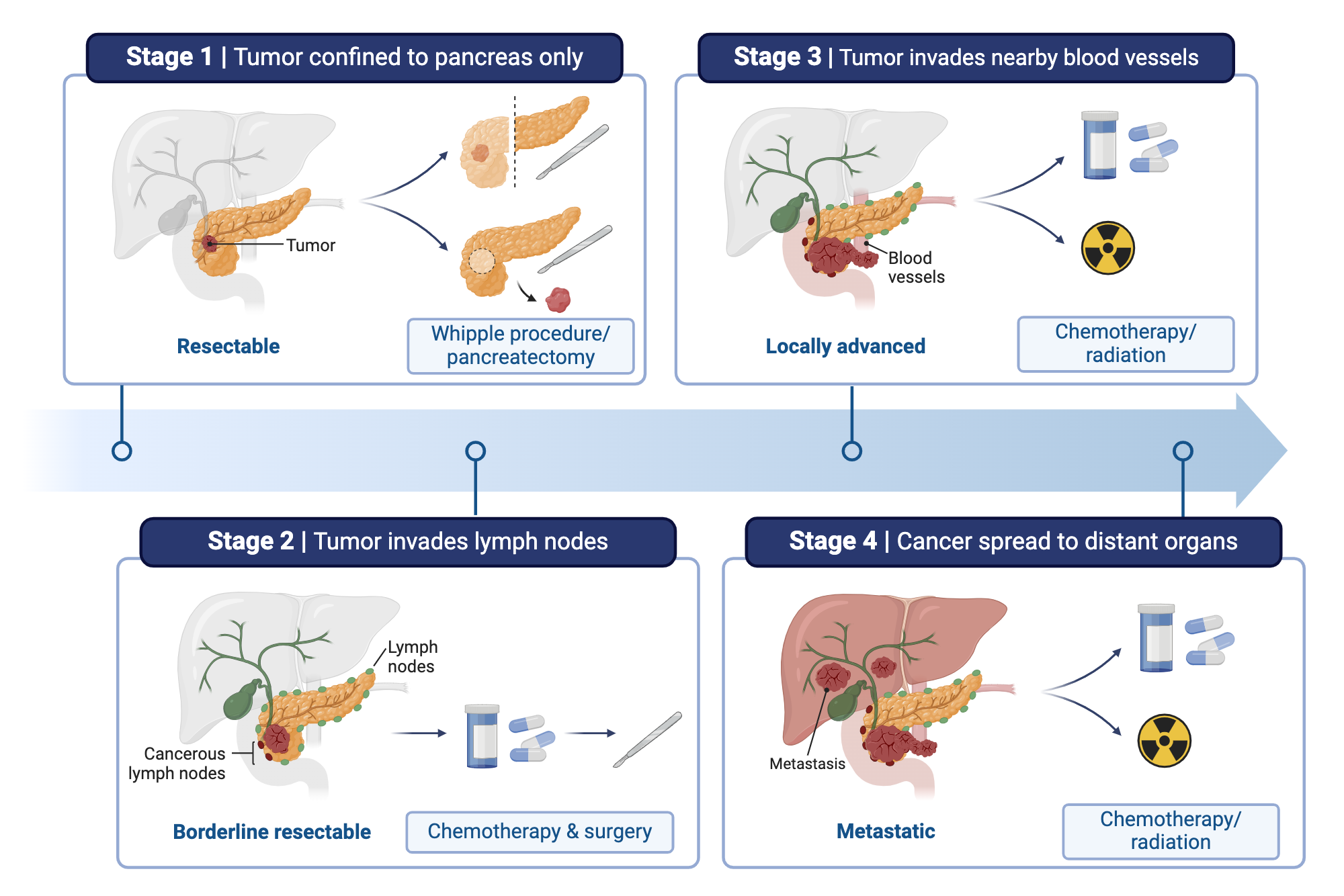
Pancreatic Cancer Treatment Options
Treatment depends on the type and stage of cancer, whether it can be surgically removed, tumor characteristics and the person's overall health. Treatment may involve one or more approaches.
You Don't Have to Navigate It Alone
A pancreatic cancer diagnosis can affect physical health, nutrition, emotional wellbeing and everyday life. A coordinated healthcare team, family members, caregivers and appropriate support organizations can provide guidance throughout treatment and follow-up.
Important Awareness Points
Pancreatic cancer can be difficult to detect early. Understanding risk factors and seeking medical evaluation for persistent or concerning symptoms can support informed healthcare decisions.
Know Your Risk
Family history, inherited conditions, smoking and certain long-term medical conditions can influence pancreatic cancer risk.
Pay Attention to Persistent Symptoms
Persistent abdominal or back pain, jaundice, unexplained weight loss or digestive changes should be medically assessed.
Don't Ignore Jaundice
Yellowing of the skin or eyes can have several causes and warrants prompt medical assessment, particularly when unexplained.
Avoid Tobacco
Not smoking and avoiding tobacco exposure are important steps for reducing the risk of pancreatic cancer and other serious diseases.
Seek Specialist Evaluation
If pancreatic cancer is suspected, appropriate imaging, specialist assessment and tissue diagnosis may be needed to guide treatment.
Seek Support
Healthcare professionals, family, caregivers and support organizations can provide valuable assistance throughout the cancer journey.
Medical Information Disclaimer
This page is intended for general educational and awareness purposes only. It should not replace professional medical advice, diagnosis or treatment. Individuals should consult a qualified healthcare professional regarding symptoms, screening, diagnosis, treatment and follow-up decisions. Pancreatic cancer treatment varies according to cancer type, stage, tumor characteristics, overall health and individual circumstances. Medical decisions should be made in consultation with an appropriately qualified healthcare team.