

Understanding Colon Cancer
A comprehensive guide to colon cancer awareness, risk factors, symptoms, prevention, early detection, diagnosis, treatment options and supportive care.
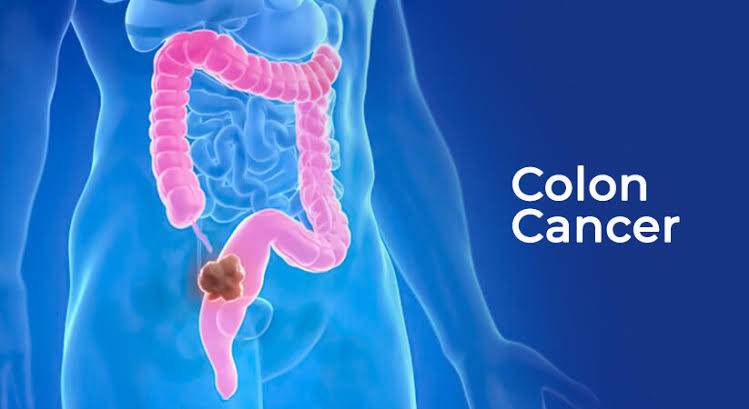
Understanding Colon Cancer
Colon cancer, also called colorectal cancer when cancer involves the colon or rectum, begins when abnormal cells grow uncontrollably in the lining of the large intestine.
Many colorectal cancers develop from growths called polyps. Some types of polyps can gradually become cancerous, which is why appropriate screening can play an important role in prevention and early detection.
Colon cancer can occur without obvious symptoms, particularly in its earlier stages. When symptoms or screening findings raise concern, medical evaluation can help determine the cause and guide appropriate treatment.
Common Types of Colorectal Cancer
Colorectal cancer can develop in different areas of the large intestine and may have different biological characteristics.
Colon Cancer
Cancer that begins in the colon, the major part of the large intestine responsible for absorbing water and forming stool.
Rectal Cancer
Cancer that begins in the rectum, the final portion of the large intestine before the anal canal.
Adenocarcinoma
Adenocarcinoma is the most common type of colorectal cancer and begins in gland-forming cells in the lining of the colon or rectum.
Less Common Tumors
Rare colorectal tumors include certain neuroendocrine, gastrointestinal stromal and other uncommon tumor types. Their management may differ from typical adenocarcinoma.
Causes & Risk Factors
Colon cancer usually develops through a combination of genetic, environmental and lifestyle factors. Having a risk factor does not mean that a person will develop cancer.
Increasing Age
The risk of colorectal cancer generally increases with age, although it can also occur in younger adults.
Family History
A family history of colorectal cancer or certain types of polyps can increase personal risk.
Dietary Factors
Diets high in processed meat and red meat and low in fiber are associated with colorectal cancer risk.
Physical Inactivity
Low levels of physical activity are associated with an increased risk of colorectal cancer.
Obesity & Lifestyle
Excess body weight and certain lifestyle patterns are associated with a higher risk of colorectal cancer.
Inflammatory Bowel Disease
Long-standing inflammatory bowel diseases such as ulcerative colitis and Crohn's disease involving the colon can increase colorectal cancer risk.
Type 2 Diabetes
Type 2 diabetes is associated with an increased risk of colorectal cancer.
Alcohol & Tobacco
Higher alcohol consumption and tobacco use are associated with increased colorectal cancer risk.
Genetic Conditions
Certain inherited conditions, including Lynch syndrome and familial adenomatous polyposis, can substantially increase colorectal cancer risk.
Common Symptoms
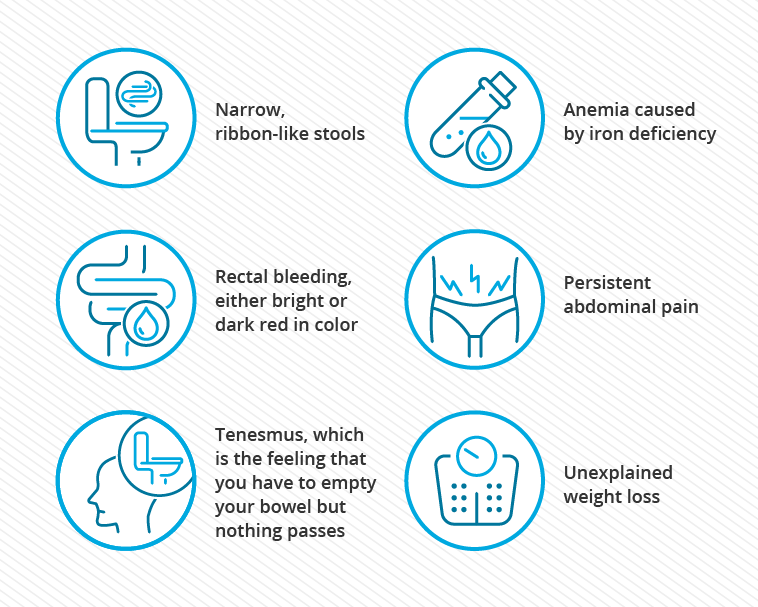
Colorectal cancer may cause few or no symptoms in its early stages. The following symptoms can have many causes, but persistent or unexplained changes should be medically evaluated.
Changes in Bowel Habits
Persistent diarrhea, constipation or a noticeable change in stool frequency or consistency may require evaluation.
Blood in Stool
Blood may appear bright red or make stool look darker. Rectal bleeding should be discussed with a healthcare professional.
Abdominal Discomfort
Persistent cramps, abdominal pain, bloating or unusual discomfort may occur.
Unexplained Weight Loss
Unintentional weight loss without an obvious explanation can be a reason to seek medical assessment.
Fatigue or Weakness
Persistent fatigue or weakness can occur, including when chronic blood loss contributes to anemia.
Protect Your Colon Health
Screening and healthy lifestyle habits can help reduce colorectal cancer risk and improve the chance of finding disease at an earlier, more treatable stage.
Colonoscopy
Colonoscopy can identify abnormal areas and polyps, and allows many polyps to be removed during the procedure.
Stool-Based Testing
Tests such as fecal immunochemical testing can look for hidden blood in stool as part of appropriate screening.
Sigmoidoscopy
Flexible sigmoidoscopy examines the rectum and lower part of the colon and may be used for screening in some settings.
Healthy Diet
A diet emphasizing vegetables, fruits, whole grains and fiber, while limiting processed meat, can support overall health and may lower colorectal cancer risk.
Regular Activity
Regular physical activity is associated with a lower risk of colorectal cancer and provides broader health benefits.
Diagnosis & Evaluation
When symptoms or screening results require further evaluation, healthcare professionals may use several tests to identify cancer and determine its extent.
Colonoscopy
A flexible camera is used to examine the lining of the colon and rectum. Suspicious areas can be biopsied or polyps removed.
Imaging Tests
CT and other imaging examinations can help assess the location of disease and whether it has spread to other areas.
Biopsy
A tissue sample is examined in a laboratory to determine whether cancer cells are present and to characterize the tumor.
Blood Tests
Blood tests can assess general health and may include tumor markers such as CEA when clinically appropriate.
Treatment Options
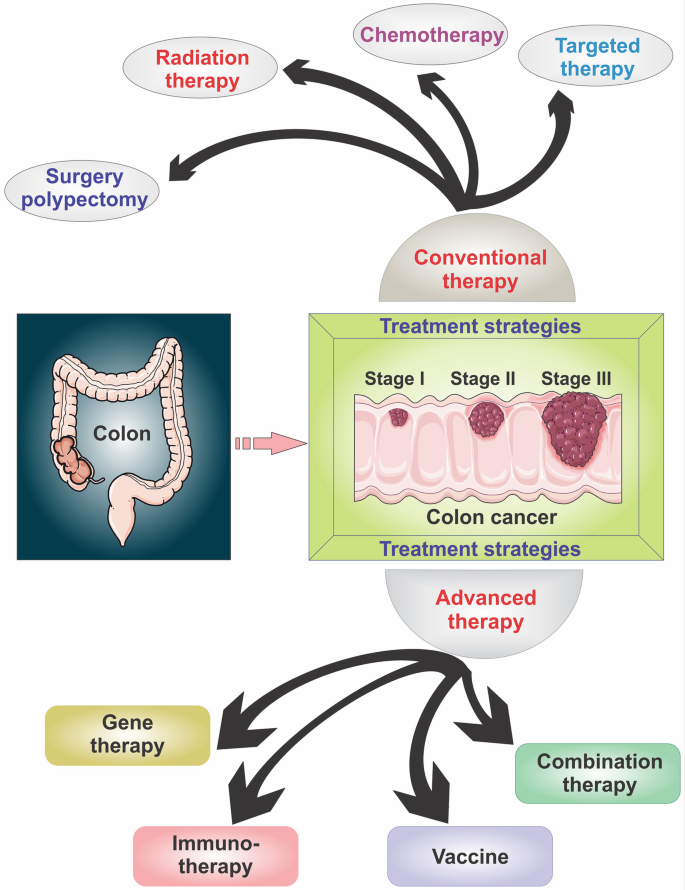
Treatment for colon cancer depends on factors such as the stage and location of the cancer, tumor characteristics, previous treatments and the person's overall health.
You Don't Have to Navigate It Alone
A colorectal cancer diagnosis can affect physical health, emotions, family life and everyday activities. A coordinated healthcare team, family members, caregivers and appropriate support services can provide valuable guidance throughout diagnosis, treatment and recovery.
Important Awareness Points
Awareness, appropriate screening and prompt evaluation of concerning symptoms can make an important difference in colorectal cancer prevention and early detection.
Know Your Screening Options
Talk with a healthcare professional about when to begin colorectal cancer screening and which test is appropriate for your age and individual risk.
Do Not Ignore Warning Signs
Persistent changes in bowel habits, rectal bleeding, unexplained weight loss or ongoing abdominal symptoms deserve appropriate medical evaluation.
Know Your Family History
Tell your healthcare professional about relatives with colorectal cancer or polyps because family history can influence screening recommendations.
Support a Healthy Lifestyle
Regular physical activity, a balanced diet, healthy body weight and avoiding tobacco can contribute to overall health and may help reduce colorectal cancer risk.
Medical Information Disclaimer
This page is intended for general educational and awareness purposes only. It should not replace professional medical advice, diagnosis or treatment. Individuals should consult a qualified healthcare professional regarding symptoms, screening, diagnosis and treatment decisions. Screening recommendations can vary according to age, personal risk, family history, previous findings and local healthcare guidelines. Treatment choices should be determined by the individual's healthcare team after appropriate evaluation.