

Understanding Lung Cancer
A comprehensive guide to lung cancer, including causes, risk factors, warning signs, diagnosis, treatment options, prevention and supportive care.
What is Lung Cancer?
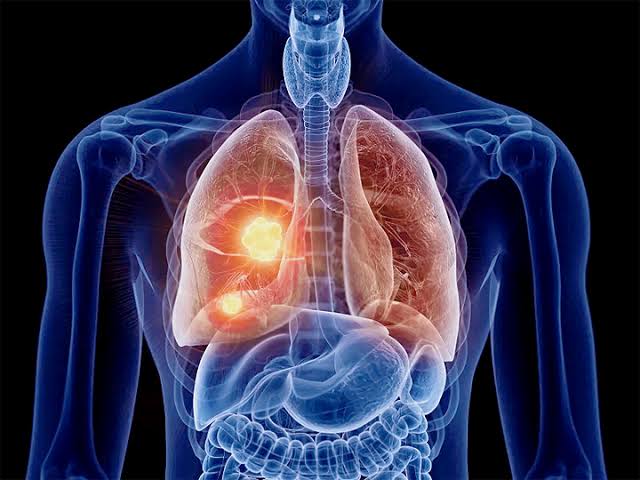
Lung cancer is a malignant disease that begins in the tissues of the lungs. It develops when abnormal cells grow and divide uncontrollably and may eventually form a tumor.
Lung cancer can spread from the lungs to other parts of the body. There are two broad categories of lung cancer: non-small cell lung cancer (NSCLC) and small cell lung cancer (SCLC).
The type, stage, molecular characteristics and overall health of the individual all play important roles in determining the most appropriate treatment approach.
Main Types of Lung Cancer
Lung cancer is broadly divided into two major categories. Other classifications and molecular features can further influence treatment decisions.
Non-Small Cell Lung Cancer
NSCLC is the most common broad category of lung cancer. It includes several subtypes, including adenocarcinoma, squamous cell carcinoma and large cell carcinoma.
Small Cell Lung Cancer
SCLC is a less common but often faster-growing type of lung cancer. It can spread early and treatment commonly involves systemic therapy.
Causes & Risk Factors
Smoking is the leading preventable risk factor for lung cancer, but several environmental, occupational and personal factors can also contribute to risk.
Smoking
Cigarette, cigar and pipe smoking exposes the lungs to numerous carcinogenic substances and is the leading preventable cause of lung cancer.
Secondhand Smoke
Regular exposure to tobacco smoke from other people can increase the risk of lung cancer even among people who do not smoke themselves.
Radon Exposure
Radon is a naturally occurring radioactive gas that can accumulate inside buildings. Long-term exposure to elevated levels increases lung cancer risk.
Occupational Exposure
Certain workplace exposures, including asbestos, arsenic, uranium and other carcinogenic substances, can increase lung cancer risk.
Air Pollution
Long-term exposure to outdoor air pollution is associated with an increased risk of lung cancer.
Family History
Having a family history of lung cancer may be associated with increased risk, although environmental and lifestyle factors can also contribute.
Common Symptoms
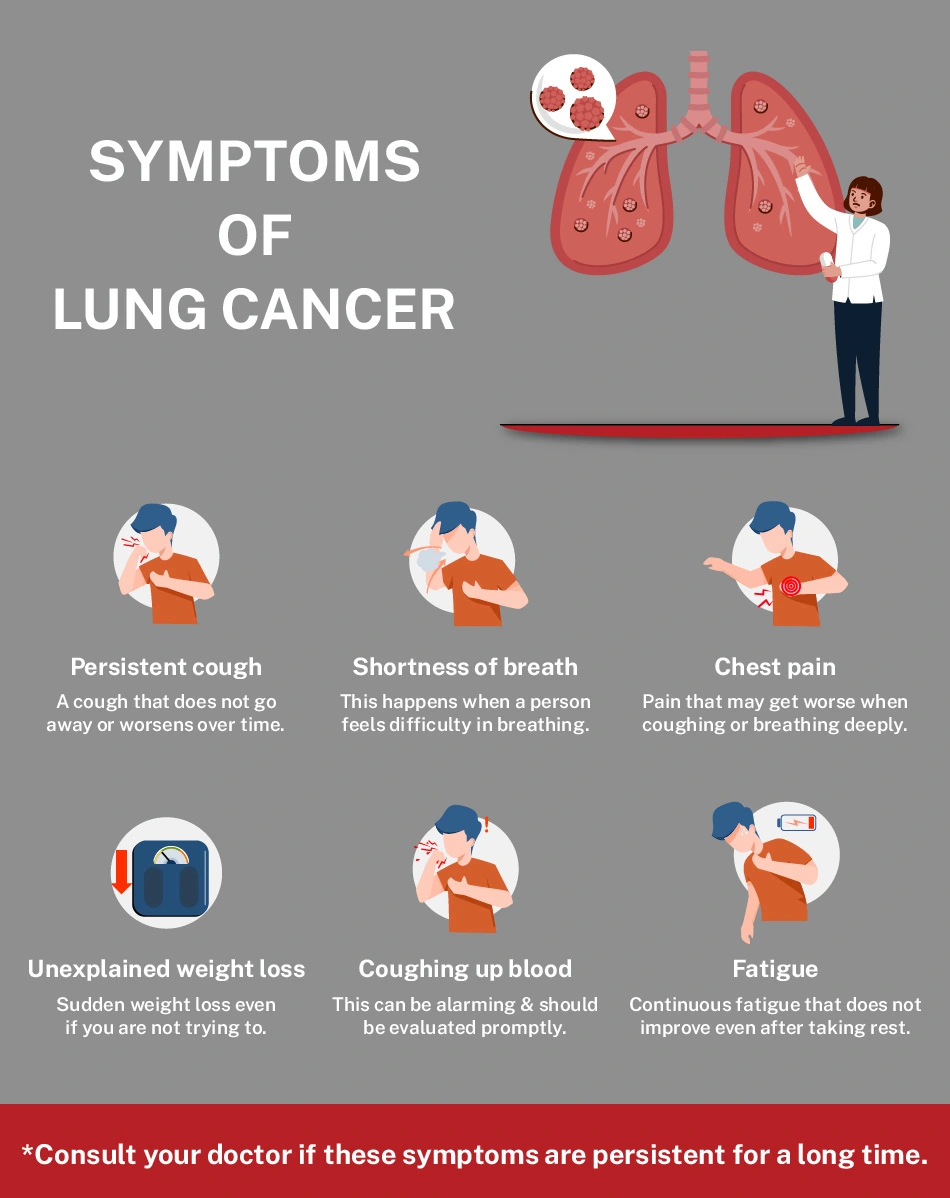
Lung cancer symptoms can resemble other respiratory conditions. Some people may have no symptoms during the early stages. Persistent or unexplained symptoms should be discussed with a healthcare professional.
Persistent Cough
A cough that does not go away or progressively worsens may require medical evaluation.
Shortness of Breath
Breathlessness or difficulty breathing can occur with lung conditions and should be evaluated when persistent.
Chest Pain
Persistent chest discomfort or pain may occur and should be medically assessed.
Coughing Up Blood
Blood in sputum, known as hemoptysis, should receive prompt medical attention.
Unexplained Weight Loss
Unintentional weight loss can occur with cancer and should be investigated when unexplained.
Fatigue
Persistent tiredness or weakness may occur and can have many possible causes.
Hoarseness
Persistent changes in the voice or hoarseness may require medical evaluation.
Recurrent Respiratory Infections
Repeated respiratory infections can have many causes but may warrant further evaluation when recurrent.
Diagnosis & Staging
Diagnosing lung cancer usually involves imaging, tissue sampling when appropriate and assessment of the extent of disease. The exact tests depend on the individual situation.
CT Scan
CT imaging provides detailed pictures of the chest and can help identify lung masses, enlarged lymph nodes and other abnormalities.
PET Scan
PET imaging may help evaluate areas of increased metabolic activity and can assist in assessing whether cancer has spread.
Biopsy
A tissue sample is examined by a pathologist to confirm cancer and determine its specific type.
Molecular Testing
For selected lung cancers, molecular and biomarker testing can identify changes that may help guide targeted or immune-based treatment.

Lung Cancer Treatment Options
Treatment depends on the type and stage of lung cancer, molecular characteristics, overall health and individual treatment goals. Different treatments may be used alone or in combination.
You Don't Have to Navigate It Alone
A lung cancer diagnosis can be physically and emotionally challenging. Healthcare professionals, family members, caregivers and support organizations can provide guidance throughout diagnosis, treatment and recovery.
Important Lung Cancer Awareness
Some lung cancer risk factors cannot be changed, but several important steps can reduce exposure to known risks and support better overall health.
Quit Smoking
If you smoke, quitting is one of the most important steps you can take to reduce your risk of lung cancer and other serious diseases.
Avoid Secondhand Smoke
Reduce exposure to tobacco smoke and support smoke-free environments at home, work and in public spaces.
Test for Radon
If radon exposure is a concern, testing indoor air and addressing elevated levels can help reduce exposure.
Protect Against Workplace Exposures
Follow occupational safety procedures and use appropriate protective equipment when working around carcinogenic substances.
Discuss Screening When Appropriate
People at increased risk may benefit from discussing lung cancer screening with a healthcare professional.
Seek Medical Advice
Persistent cough, coughing up blood, unexplained weight loss or ongoing breathing problems should be medically evaluated.
Medical Information Disclaimer
This page is intended for general educational and awareness purposes only. It should not replace professional medical advice, diagnosis or treatment. Individuals should consult a qualified healthcare professional regarding symptoms, screening eligibility, diagnosis, treatment and follow-up decisions. Lung cancer treatment varies according to cancer type, stage, molecular characteristics, overall health and other individual factors. Medical decisions should be made in consultation with an appropriately qualified healthcare team.