

Understanding Stomach Cancer
A comprehensive guide to stomach cancer, including types, risk factors, warning signs, diagnosis, treatment options, supportive care and important awareness points.
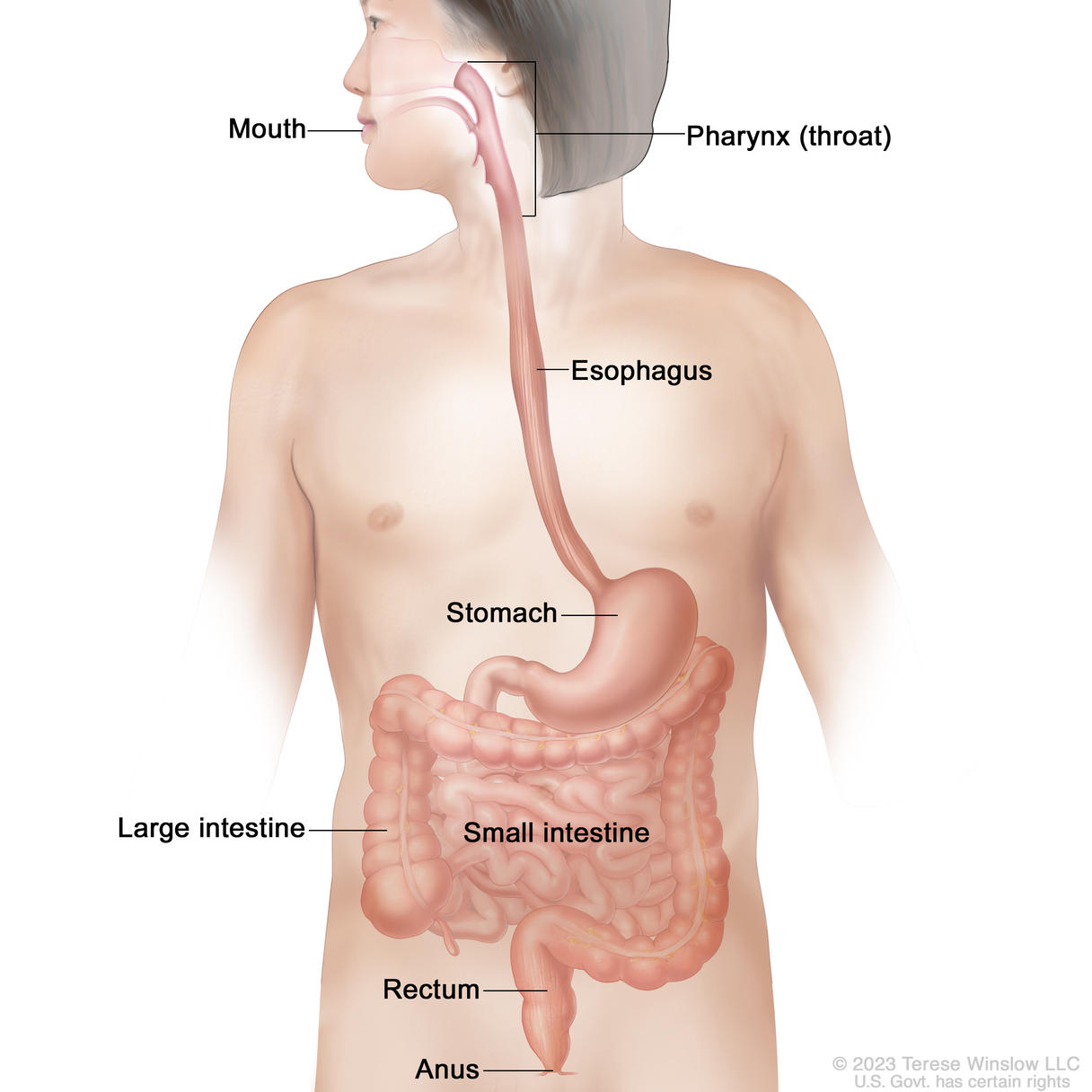
What is Stomach Cancer?
Stomach cancer, also known as gastric cancer, develops from cells in the stomach. The stomach is an important part of the digestive system that receives food from the esophagus and helps begin the digestive process.
Stomach cancer can begin in different layers or cell types of the stomach. The most common type is adenocarcinoma, which begins in gland-forming cells in the stomach lining.
Early stomach cancer may cause few or nonspecific symptoms, which can make recognition difficult. Timely medical evaluation and appropriate diagnostic testing are important when concerning or persistent symptoms occur.
Common Types of Stomach Cancer
Stomach cancers can develop from different cell types. Understanding the type of cancer helps healthcare teams determine appropriate evaluation and treatment.
Adenocarcinoma
The most common type of stomach cancer. It develops from gland-forming cells in the stomach lining and accounts for most gastric cancer cases.
Gastric Lymphoma
A type of lymphoma that develops in lymphatic or immune system tissue within the stomach. Its treatment differs from that of gastric adenocarcinoma.
Gastrointestinal Stromal Tumor
Gastrointestinal stromal tumors, or GISTs, are tumors arising from specialized cells in the gastrointestinal tract and can occur in the stomach.
Causes & Risk Factors
The exact cause of stomach cancer is not always known. However, several factors have been associated with an increased risk of developing the disease.
Helicobacter pylori
Long-term infection with Helicobacter pylori can cause chronic inflammation of the stomach lining and is an important risk factor for some stomach cancers.
Age
The risk of stomach cancer generally increases with age, with many cases occurring in older adults.
Diet & Nutrition
Diets high in smoked, salted or pickled foods and low in fresh fruits and vegetables may be associated with increased risk.
Family History
A family history of stomach cancer can increase risk. Certain inherited conditions can also contribute to susceptibility.
Pernicious Anemia
Certain long-term conditions affecting vitamin B12 absorption, including pernicious anemia, are associated with increased stomach cancer risk.
Tobacco Exposure
Tobacco use is associated with an increased risk of stomach cancer as well as many other cancers and serious health conditions.
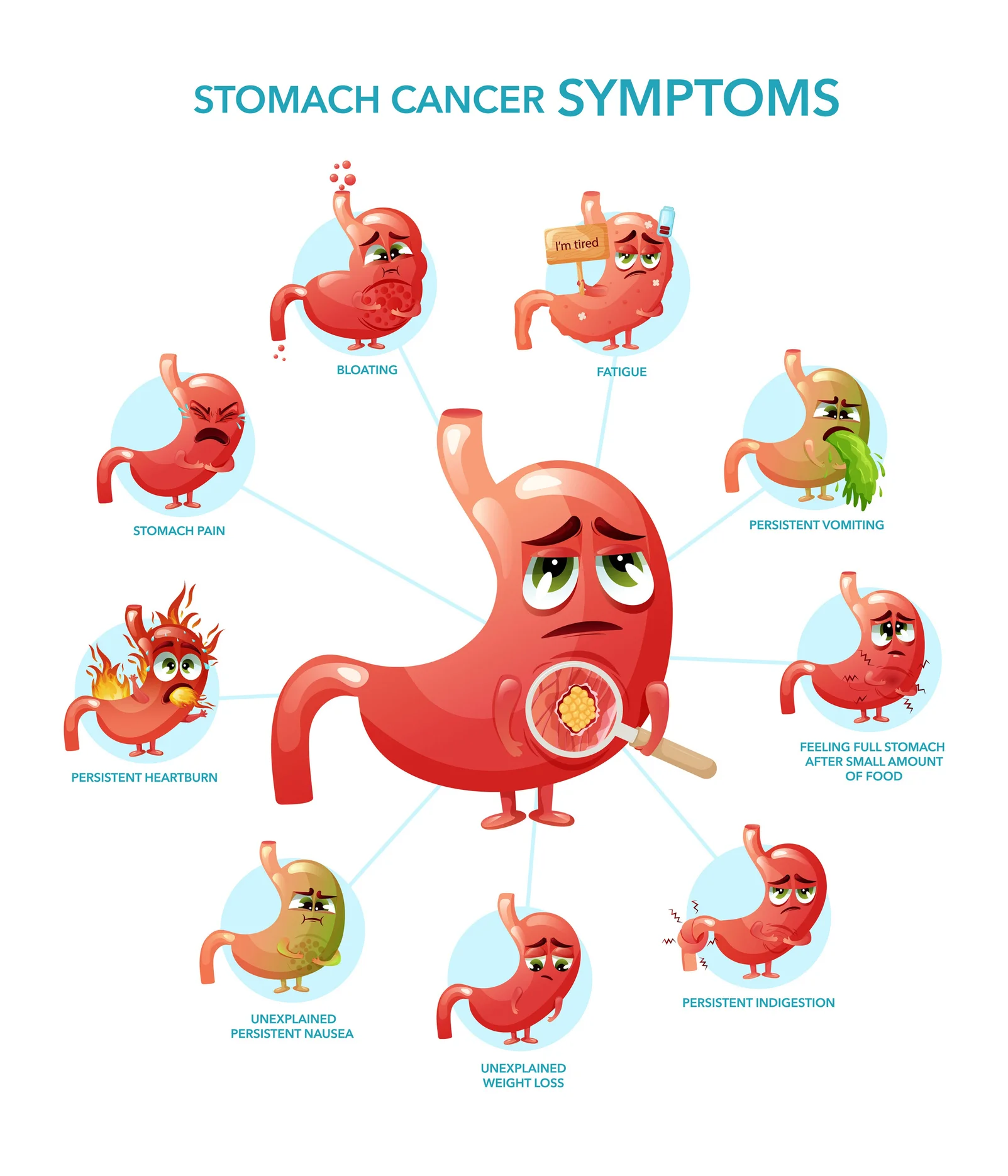
Common Symptoms
Stomach cancer may cause few symptoms in its early stages. When symptoms occur, they can overlap with many common digestive conditions.
Persistent Indigestion
Ongoing indigestion, discomfort or an unusual feeling of fullness after eating may require evaluation.
Upper Abdominal Pain
Persistent or unexplained discomfort or pain in the upper abdomen can have many possible causes.
Nausea & Vomiting
Persistent nausea or vomiting may occur and should be assessed when unexplained or ongoing.
Loss of Appetite
A persistent reduction in appetite or feeling full unusually quickly can be a concerning digestive symptom.
Unintentional Weight Loss
Unexplained weight loss can occur with several medical conditions and warrants appropriate assessment.
Blood in Stool
Bleeding from the upper digestive tract can sometimes cause stools to appear black or tar-like and requires medical evaluation.
Diagnosis & Evaluation
Evaluation may involve direct examination of the stomach, tissue sampling and additional imaging or laboratory tests. The exact approach depends on the individual's symptoms and clinical findings.
Gastroscopy
An upper endoscopy uses a flexible camera to examine the lining of the esophagus, stomach and upper small intestine.
Biopsy
Tissue samples can be collected during endoscopy and examined under a microscope to determine whether cancer is present.
CT Imaging
CT scans can help assess the stomach and surrounding structures and may assist healthcare teams with staging.
Laboratory Tests
Blood tests and other laboratory investigations may help assess general health, anemia and suitability for treatment.
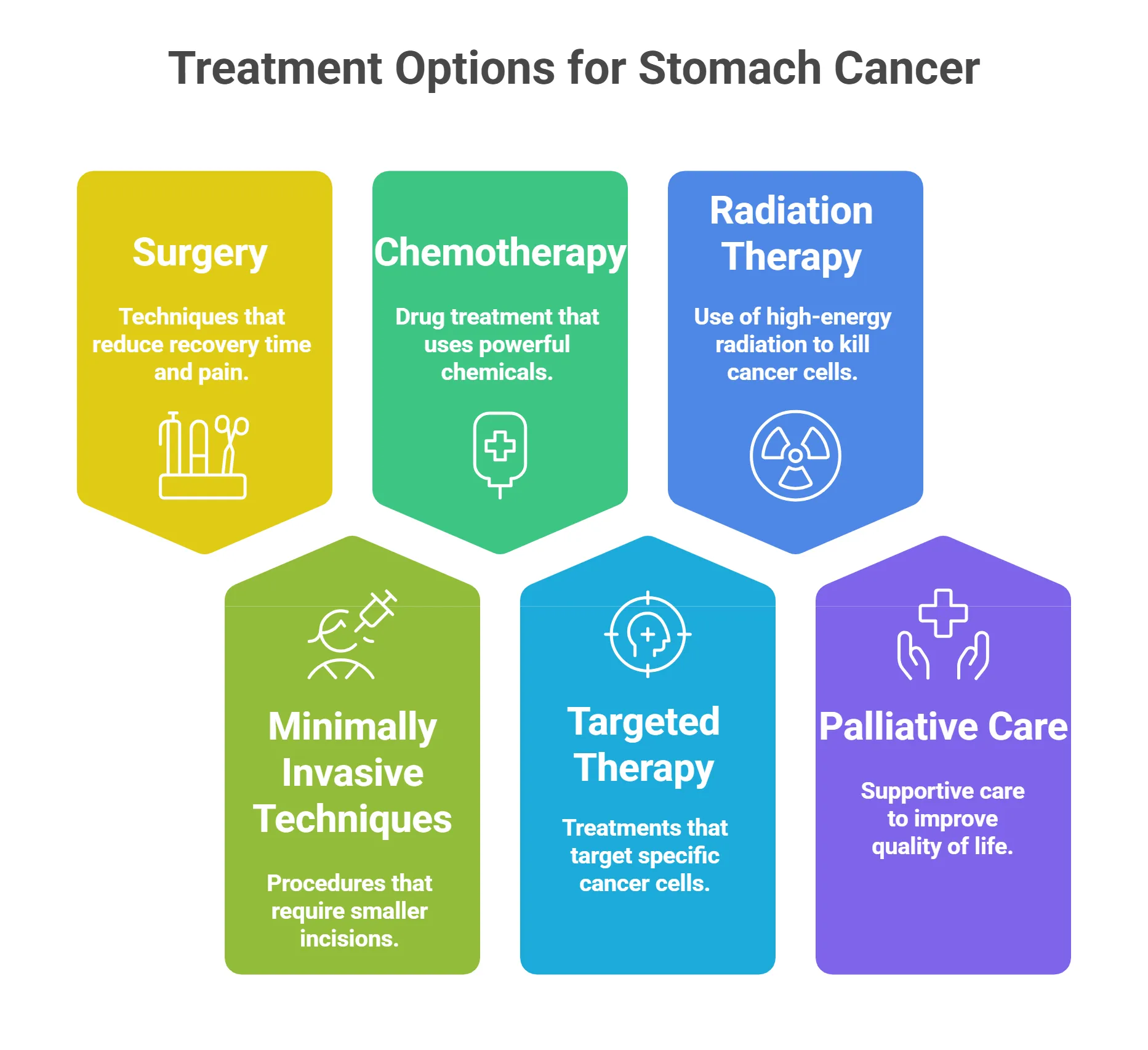
Stomach Cancer Treatment Options
Treatment depends on the cancer type, stage, location, overall health and individual treatment goals. Several treatments may be used together as part of a personalized cancer care plan.
You Don't Have to Navigate It Alone
A stomach cancer diagnosis can be physically and emotionally challenging. Cancer specialists, nurses, dietitians, family members, caregivers and support organizations can provide guidance throughout diagnosis, treatment and recovery.
Important Awareness Points
Understanding potential risk factors, recognizing persistent symptoms and seeking appropriate medical evaluation can help people make informed decisions about their health.
Pay Attention to Persistent Symptoms
Ongoing indigestion, abdominal discomfort, appetite changes or unexplained weight loss should be discussed with a healthcare professional.
Discuss H. pylori
If Helicobacter pylori infection is suspected or diagnosed, discuss appropriate testing and treatment with a qualified healthcare professional.
Choose a Balanced Diet
A balanced diet emphasizing a variety of fruits, vegetables and nutritious foods can support overall health.
Avoid Tobacco
Avoiding tobacco can reduce the risk of several cancers and provides important benefits for overall health.
Know Your Family History
Discuss a significant family history of stomach cancer or inherited conditions with your healthcare professional.
Seek Medical Advice
If you have persistent or concerning symptoms, seek appropriate medical evaluation rather than relying on self-diagnosis.
Medical Information Disclaimer
This page is intended for general educational and awareness purposes only. It should not replace professional medical advice, diagnosis or treatment. Individuals should consult a qualified healthcare professional regarding symptoms, diagnosis, screening, treatment and follow-up decisions. Treatment for stomach cancer varies according to the type, location, stage, tumor characteristics, overall health and other individual factors. Medical decisions should be made in consultation with an appropriately qualified healthcare team.