

Understanding Prostate Cancer
A comprehensive guide to prostate cancer, including its types, risk factors, warning signs, diagnosis, treatment options, supportive care and important awareness points.
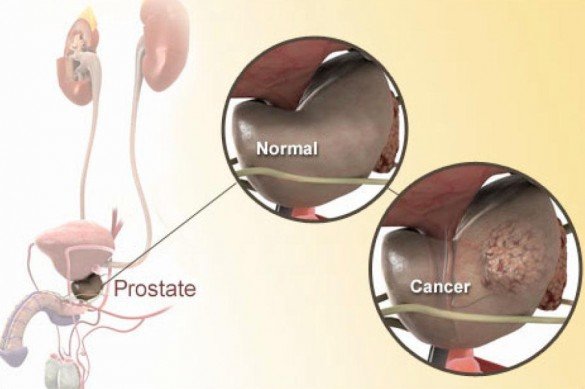
What is Prostate Cancer?
Prostate cancer is a disease that develops in the prostate, a small gland in the male reproductive system located below the bladder and in front of the rectum.
Prostate cancer is commonly an adenocarcinoma arising from gland cells. Some prostate cancers grow slowly, while others can be more aggressive and may spread beyond the prostate.
The approach to prostate cancer depends on factors such as the cancer's grade and stage, PSA level, imaging and biopsy findings, overall health and individual preferences.
Common Types of Prostate Cancer
Most prostate cancers are adenocarcinomas, while several uncommon tumor types can occur. The exact pathology helps determine appropriate treatment.
Adenocarcinoma
The most common type of prostate cancer. It develops from glandular cells of the prostate and accounts for the great majority of prostate cancer cases.
Small Cell Carcinoma
A rare form of prostate cancer with different biological characteristics from typical prostate adenocarcinoma and often a more aggressive behavior.
Neuroendocrine Tumors
Rare prostate tumors with neuroendocrine features. Their biology and treatment can differ from typical prostate adenocarcinoma.
Sarcomas
Rare tumors arising from connective or supporting tissues of the prostate. They are uncommon compared with prostate adenocarcinoma.
Transitional Cell Carcinoma
A rare cancer involving urothelial-type cells that may affect structures around the urinary tract and prostate.
Advanced or Metastatic Disease
Prostate cancer that has spread outside the prostate may require systemic treatments selected according to the location and biology of the disease.
Causes & Risk Factors
The exact cause of prostate cancer is not fully understood. However, several factors are associated with an increased likelihood of developing the disease.
Age
The risk of prostate cancer increases substantially with age, making age one of the most important established risk factors.
Family History
Having close relatives with prostate cancer can increase risk, particularly when several family members have been affected.
Genetic Mutations
Certain inherited genetic changes, including some BRCA-related mutations and other hereditary cancer syndromes, may increase risk.
Ancestry
Prostate cancer risk varies among populations. Some populations, including men of African ancestry, have higher rates of prostate cancer.
Diet & Lifestyle
Some dietary and lifestyle patterns have been associated with prostate cancer risk, although the relationship is complex and not completely understood.
Inherited Conditions
Certain inherited cancer-predisposition conditions can increase the likelihood of prostate cancer and may influence genetic counseling decisions.
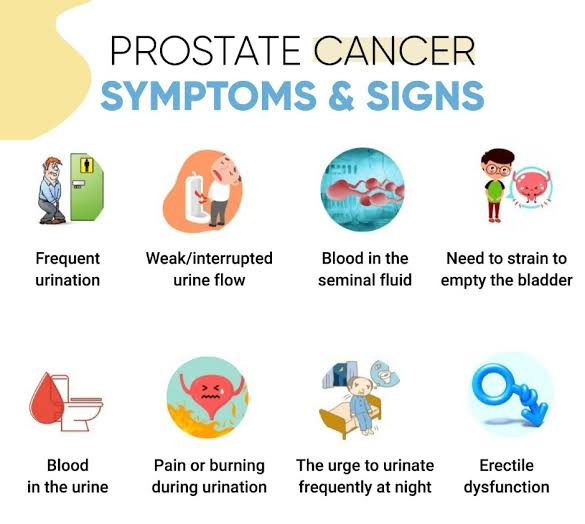
Common Symptoms
Early prostate cancer may cause no symptoms. When symptoms occur, they can overlap with benign prostate enlargement and other urinary conditions.
Difficulty Starting Urination
Trouble beginning urination or needing extra time to start the urinary stream can occur with several prostate conditions.
Weak or Interrupted Urine Flow
A weaker urinary stream or flow that starts and stops may warrant medical evaluation.
Frequent Urination
Needing to urinate more frequently, especially at night, can be associated with prostate and urinary tract conditions.
Urgency to Urinate
A sudden or difficult-to-delay need to urinate can occur and should be evaluated when persistent.
Blood in Urine or Semen
Blood in urine or semen can have several causes, but it should be medically assessed rather than ignored.
Bone or Back Pain
Persistent bone or back pain may occur in advanced prostate cancer when cancer has spread to the bones.
Diagnosis & Evaluation
Prostate cancer evaluation may involve blood testing, physical examination, imaging and biopsy. The exact diagnostic pathway depends on the individual's findings and level of risk.
PSA Test
A blood test measuring prostate-specific antigen. PSA can be elevated for several reasons and does not by itself diagnose prostate cancer.
Digital Rectal Exam
A healthcare professional may examine the prostate through the rectum to assess for abnormalities such as changes in size or texture.
Prostate MRI
Multiparametric MRI can provide detailed images of the prostate and may help identify suspicious areas and guide biopsy decisions.
Prostate Biopsy
A biopsy collects prostate tissue for microscopic examination. It can confirm cancer and help determine its grade and characteristics.
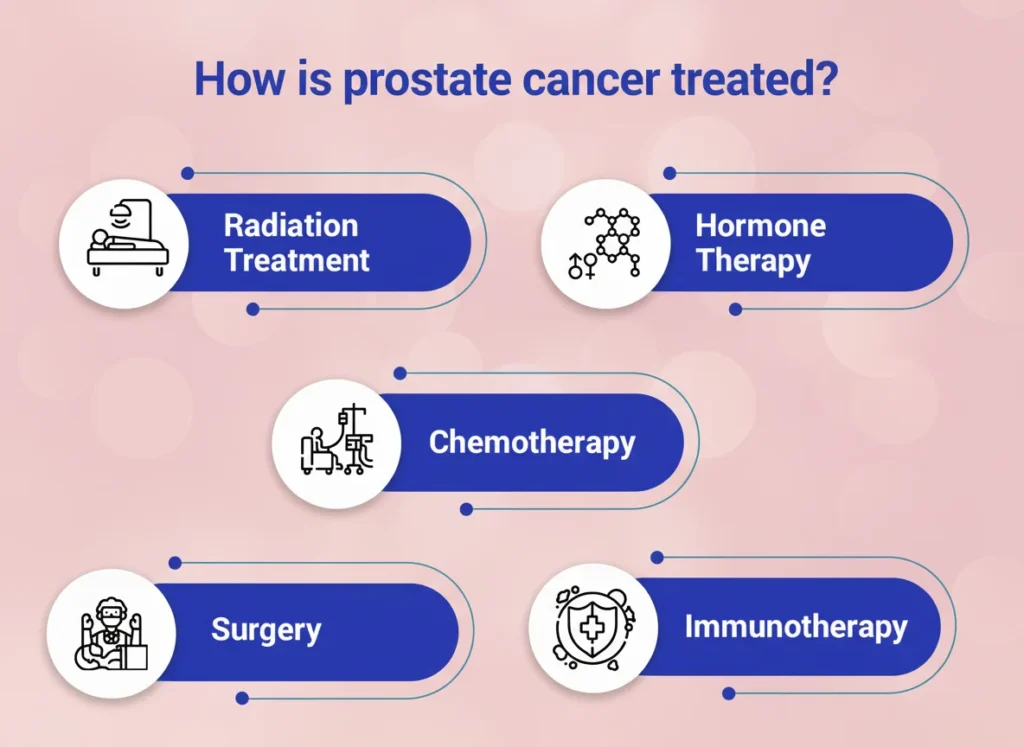
Prostate Cancer Treatment Options
Treatment depends on the cancer's risk group, grade, stage, PSA level, imaging and biopsy findings, overall health and personal preferences. Some prostate cancers can be monitored closely, while others require active treatment.
You Don't Have to Navigate It Alone
A prostate cancer diagnosis can affect physical health, emotional wellbeing, relationships and daily life. Cancer specialists, nurses, caregivers, family members and support organizations can provide guidance throughout diagnosis, treatment and follow-up care.
Important Awareness Points
Awareness of prostate health, personal risk factors and available evaluation methods can help men have informed conversations with their healthcare professionals.
Know Your Risk
Age, family history and certain inherited genetic changes can influence prostate cancer risk.
Discuss PSA Testing
Talk with a healthcare professional about whether PSA testing is appropriate based on your age, risk factors and personal circumstances.
Don't Ignore Urinary Changes
Persistent changes in urination can have many causes, but they deserve appropriate medical assessment.
Understand Your Diagnosis
Ask your healthcare team about the cancer's grade, stage, PSA level and other findings that influence treatment decisions.
Follow Your Care Plan
Regular follow-up is important whether treatment involves active surveillance, surgery, radiation or systemic therapy.
Seek Support
Emotional support, family involvement and appropriate professional guidance can help individuals navigate the challenges of prostate cancer.
Medical Information Disclaimer
This page is intended for general educational and awareness purposes only. It should not replace professional medical advice, diagnosis or treatment. Individuals should consult a qualified healthcare professional regarding symptoms, screening, diagnosis, treatment and follow-up decisions. Prostate cancer treatment varies according to cancer grade, stage, PSA level, tumor characteristics, overall health and individual circumstances. Medical decisions should be made in consultation with an appropriately qualified healthcare team.