


Understanding Ovarian Cancer
A comprehensive guide to ovarian cancer, including its types, risk factors, symptoms, diagnosis, treatment options, support and important awareness points.
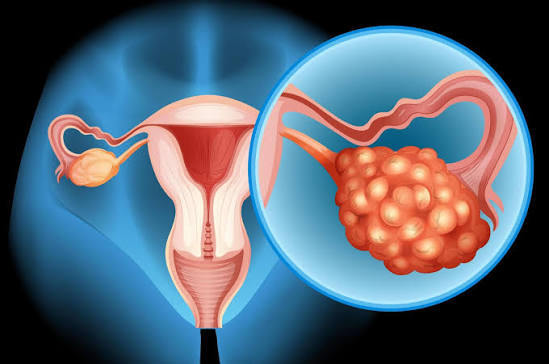
What is Ovarian Cancer?
Ovarian cancer is a group of cancers that develops in or around the ovaries, the reproductive organs that produce eggs and hormones.
Ovarian cancer includes several different tumor types. The most common group is epithelial ovarian cancer, while stromal and germ cell tumors are less common.
Symptoms can be subtle or resemble common digestive or urinary problems. Evaluation may involve a pelvic examination, imaging, blood tests and, when indicated, tissue examination.
Common Types of Ovarian Cancer
Ovarian tumors can arise from different cell types. Identifying the type of tumor is important because treatment and outlook can vary.
Epithelial Ovarian Cancer
The most common group of ovarian cancers. These tumors arise from cells associated with the outer surface or epithelial lining of the ovary and related tissues.
Stromal Tumors
These tumors develop from the connective and hormone-producing cells of the ovary and represent a smaller proportion of ovarian cancers.
Germ Cell Tumors
Rare tumors that develop from the cells involved in egg production. They are more frequently found in younger women.
High-Grade Serous Cancer
A common and important subtype of high-grade epithelial cancer. Many high-grade serous cancers are now believed to originate in the fallopian tube rather than directly in the ovary.
Endometrioid Cancer
An epithelial ovarian cancer subtype that can be associated with endometriosis and may have distinct pathological and molecular features.
Clear Cell Cancer
A less common epithelial subtype with characteristic microscopic features. Its biological behavior can differ from other ovarian cancer subtypes.
Causes & Risk Factors
The exact cause of ovarian cancer is not always known. Certain inherited, reproductive and medical factors may influence a person's risk.
Age
Ovarian cancer becomes more common with increasing age, particularly after menopause.
Family History
A family history of ovarian, breast or certain other cancers may indicate an increased inherited risk.
BRCA Gene Mutations
Inherited changes in genes such as BRCA1 and BRCA2 can substantially increase the risk of ovarian cancer.
Endometriosis
Endometriosis is associated with an increased risk of certain ovarian cancer subtypes, although most people with endometriosis do not develop ovarian cancer.
Reproductive Factors
Certain reproductive patterns, including having never been pregnant, may be associated with ovarian cancer risk.
Inherited Cancer Syndromes
Certain inherited conditions can increase ovarian cancer risk. Genetic counseling may be appropriate for people with a significant family history.
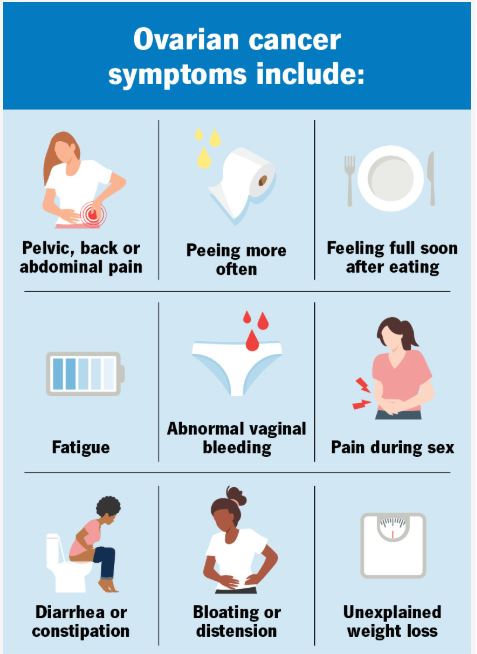
Common Symptoms
Ovarian cancer symptoms can be nonspecific and may resemble other common conditions. Persistent or unusual symptoms should be medically evaluated.
Persistent Bloating
Ongoing bloating or a persistent increase in abdominal size may require medical evaluation.
Abdominal or Pelvic Pain
Persistent discomfort, pressure or pain in the abdomen or pelvis can occur.
Feeling Full Quickly
Feeling full sooner than usual or having difficulty eating may be a concerning change when persistent.
Urinary Changes
Increased urinary frequency or urgency can occur, although these symptoms have many possible causes.
Fatigue
Persistent unexplained tiredness or changes in energy levels may accompany illness.
Changes in Appetite or Weight
Unexplained changes in appetite or unintended weight changes should be discussed with a healthcare professional when persistent.
Diagnosis & Evaluation
Evaluation for suspected ovarian cancer may involve a combination of examination, imaging, blood testing and tissue diagnosis. The appropriate tests depend on the individual's symptoms and findings.
Pelvic Examination
A healthcare professional may examine the pelvis to assess for abnormalities involving the reproductive organs or surrounding structures.
Transvaginal Ultrasound
Ultrasound uses sound waves to create images of the ovaries and pelvic structures and may help identify masses or other abnormalities.
CA-125 Blood Test
CA-125 can be elevated in some people with ovarian cancer, but it can also rise for non-cancerous reasons and is not by itself a definitive diagnostic test.
Biopsy
Examination of tissue by a pathologist can establish the diagnosis and help identify the specific type and characteristics of the tumor.
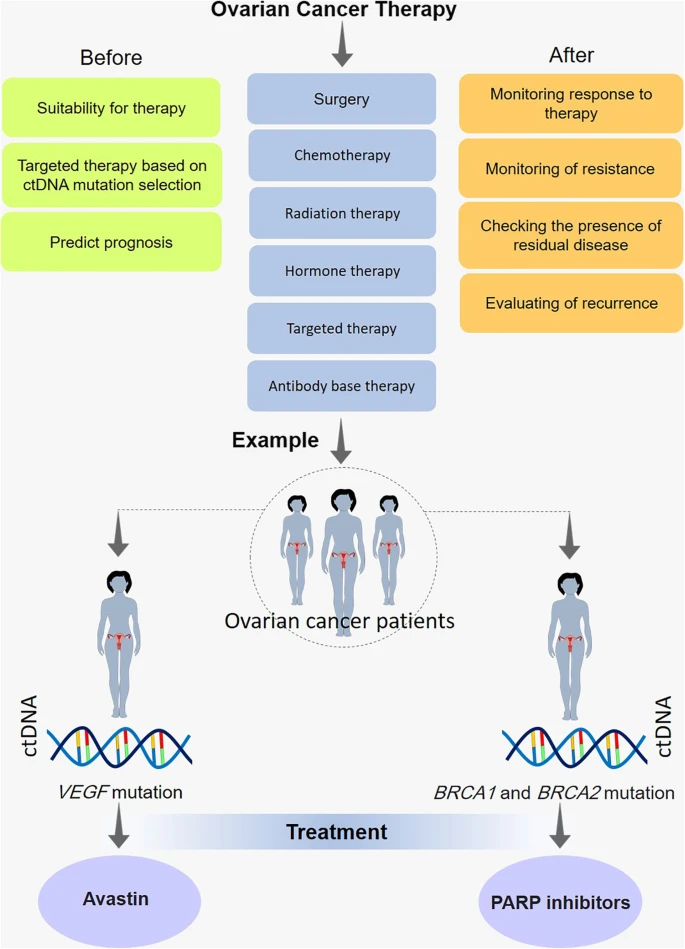
Ovarian Cancer Treatment Options
Treatment depends on the type and stage of ovarian cancer, tumor characteristics, overall health and individual circumstances. Care may involve surgery, systemic medicines or a combination of approaches.
You Don't Have to Navigate It Alone
An ovarian cancer diagnosis can affect physical health, emotional wellbeing, relationships and everyday life. A coordinated healthcare team, family members, caregivers and appropriate support organizations can provide guidance throughout diagnosis, treatment and follow-up care.
Important Awareness Points
Ovarian cancer symptoms can be subtle. Understanding personal risk factors and seeking appropriate medical evaluation for persistent changes can support informed healthcare decisions.
Know Your Risk
Family history and inherited gene changes can influence ovarian cancer risk. Discuss significant family patterns with a healthcare professional.
Pay Attention to Persistent Symptoms
Persistent bloating, pelvic discomfort, appetite changes or urinary symptoms deserve appropriate evaluation.
Don't Ignore Changes
Symptoms that are new, persistent or different from your usual health should be discussed with a qualified healthcare professional.
Understand Genetic Testing
Genetic counseling and testing may be considered for people with a personal or family history suggesting inherited cancer risk.
Follow Your Care Plan
Follow-up appointments, treatment recommendations and monitoring plans are important parts of cancer care.
Seek Support
Family, caregivers, healthcare professionals and support organizations can help individuals navigate the emotional and practical challenges of cancer.
Medical Information Disclaimer
This page is intended for general educational and awareness purposes only. It should not replace professional medical advice, diagnosis or treatment. Individuals should consult a qualified healthcare professional regarding symptoms, screening, diagnosis, treatment and follow-up decisions. Ovarian cancer treatment varies according to cancer type, stage, tumor characteristics, overall health and individual circumstances. Medical decisions should be made in consultation with an appropriately qualified healthcare team.